
verifiedUpdated March 2026 · Expert Tested

Best Watercolor Brushes 2026

We spent 3 months testing over 40 watercolor brushes across every price range. From professional kolinsky sable to budget-friendly synthetics, these are the rounds actually worth buying — ranked by artists, for artists. Some were a waste of money. These five weren't.

Our Top 3 Picks at a Glance

Best Overall
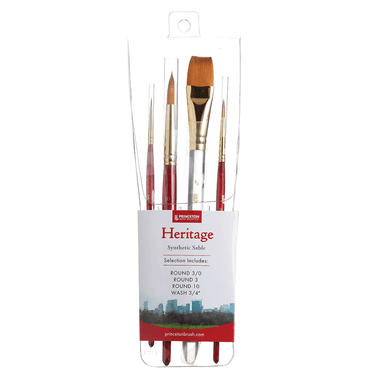
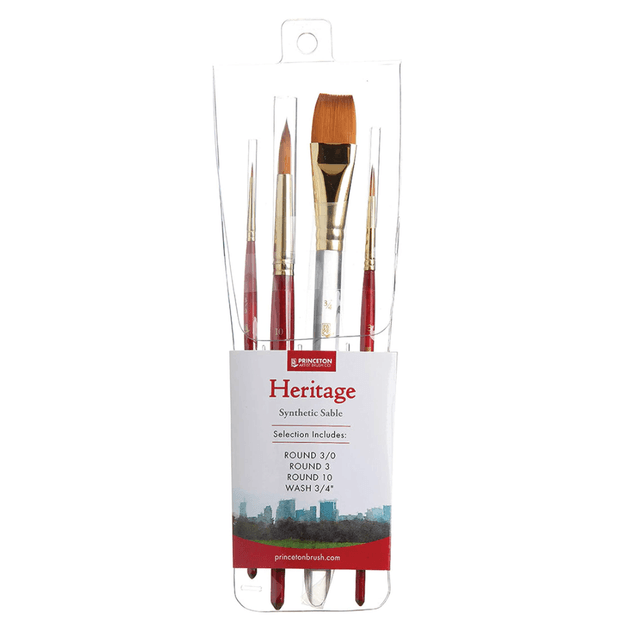
Princeton Heritage 4050 Round

Princeton Heritage 4050 Round

star9.4/10

Synthetic Kolinsky

$12–20

Check Price on Amazon
Best for Washes
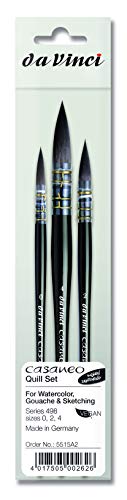
Da Vinci Casaneo 498

Da Vinci Casaneo 498

star9.2/10

Synthetic Squirrel

$15–28

Check Price on Amazon
Best Budget
Princeton Neptune Round

Princeton Neptune Round

star8.8/10

Synthetic Squirrel

$8–15

Check Price on Amazon

Quick Comparison

BrushRatingHair TypeBest ForPrice
Princeton Heritage 40509.4/10Synthetic KolinskyOverall performance$12–20
Da Vinci Casaneo 4989.2/10Synthetic SquirrelWashes & wet techniques$15–28
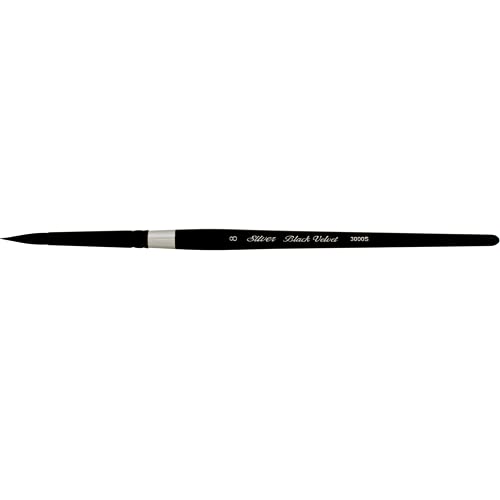
Silver Black Velvet 3000S9.0/10Squirrel / Rylon BlendVersatility$12–22
Princeton Neptune8.8/10Synthetic SquirrelBudget pick$8–15
Escoda Perla 14308.7/10Synthetic KolinskyDetail work$10–18

In-Depth Brush Reviews

Princeton Heritage 4050 Round
9.4/10
#1

Princeton Heritage 4050 Round

Hair TypeSynthetic Kolinsky Sable
ShapeRound
Sizes0–12
HandleShort, birchwood
Price Range$12–20
Made InUSA
Pros
  • checkStrong snap and point retention
  • checkMimics natural kolinsky at a fraction of the cost
  • checkWide range of available sizes
  • checkDurable, holds up session after session
  • checkVery affordable for the quality delivered
Cons
  • closeSlightly less water capacity than natural hair

Our Take

The Princeton Heritage 4050 is the brush we recommend to almost everyone. Whether you are just starting out or have been painting for years, its synthetic kolinsky fibers deliver a very close feel to natural sable, with excellent spring, a reliable fine point, and smooth color release. At this price, it is genuinely hard to beat.
Read full reviewarrow_forwardCheck Price on Amazonarrow_forward
Da Vinci Casaneo 498
9.2/10
#2

Da Vinci Casaneo 498

Hair TypeSynthetic Squirrel (Casaneo fiber)
ShapeRound
Sizes1–10
HandleShort, black lacquered
Price Range$15–28
Made InGermany
Pros
  • checkStrong water capacity
  • checkSmooth color release for large washes
  • checkCruelty-free alternative to natural squirrel
Cons
  • closeLess spring than kolinsky-style brushes
  • closeFewer size options than some competitors
  • closeHigher price than most synthetics

Our Take

The Casaneo 498 will not satisfy painters who want snap and precision — but for wet-on-wet washes and flowing gradients, nothing in this price range comes close. Its proprietary fiber mimics natural squirrel hair well, holding plenty of pigmented water and releasing it in a smooth and even flow. Ideal for landscape artists and anyone who loves loose, expressive techniques.

Read full reviewarrow_forwardCheck Price on Amazonarrow_forward
Princeton Neptune Round
8.8/10
#3

Princeton Neptune Round

Hair TypeSynthetic Squirrel
ShapeRound
Sizes0–12
HandleShort, aqua lacquered
Price Range$8–15
Made InUSA
Pros
  • checkExcellent value for the price
  • checkGood water capacity for washes
  • checkSoft tip for smooth blending
Cons
  • closeTip can splay after extended use
  • closeLess snap than kolinsky-style brushes

Our Take

At this price, the Neptune line is hard to beat for squirrel-like softness. Load it with a wash of French ultramarine and you can wet a full quarter-sheet without reloading. A reliable workhorse for students and experienced painters alike who go through brushes quickly.

Check Price on Amazonarrow_forward
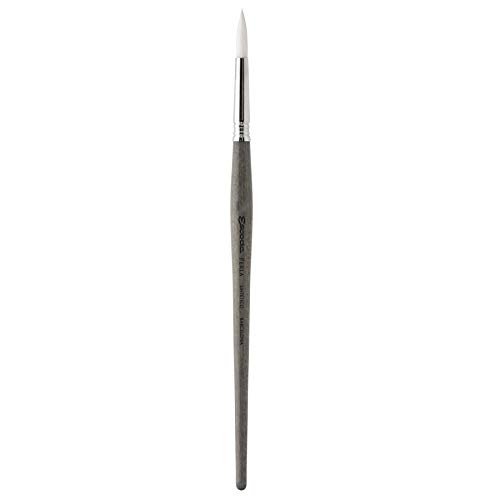
Escoda Perla 1430
8.7/10
#4

Escoda Perla 1430

Hair TypeSynthetic Kolinsky (Toray fiber)
ShapeRound
Sizes2–14
HandleShort, pearl lacquered
Price Range$10–18
Made InSpain
Pros
  • checkExcellent point for detail work
  • checkGood spring and snap
  • checkHandcrafted in Spain
  • checkAffordable entry into premium brushes
Cons
  • closeSmaller belly holds less water than competitors
  • closeFewer retailers carry this brand

Our Take

Escoda is a family-run Spanish brush maker with over 80 years of history, and the Perla 1430 reflects that craft. The Toray synthetic fiber gives you reliable snap and a fine point at a price that undercuts most European competitors. Side by side with a $60 Series 7, you would struggle to tell the difference on a detail passage. A solid pick for painters who value precision over water capacity.

Check Price on Amazonarrow_forward
Silver Black Velvet 3000S
9/10
#5

Silver Black Velvet 3000S

Hair TypeSquirrel / Rylon Blend
ShapeRound
Sizes2–12
HandleShort, matte black
Price Range$12–22
Made InUSA
Pros
  • checkDistinct blend combines softness with spring
  • checkHigh water capacity
  • checkVersatile, handles washes and detail
  • checkCult following among watercolor artists
Cons
  • closeNatural hair component requires careful cleaning
  • closeCan lose shape if stored wet
  • closeNot cruelty-free due to natural squirrel content

Our Take

The Silver Black Velvet blends natural squirrel for absorbency with synthetic Rylon for backbone, and the result is a brush that can lay down sweeping washes and snap back to a point for fine lines. It has earned a devoted following in the watercolor community, and once you try one it is easy to see why.

Read full reviewarrow_forwardCheck Price on Amazonarrow_forward

How to Choose Watercolor Brushes

Not sure where to start? Here is a quick primer on the four things that matter most when picking brushes.

eco

Hair Types: Natural vs Synthetic

Natural hair (kolinsky sable, squirrel, goat) excels at water retention and smooth pigment release. Synthetic fibers are more durable, cruelty-free, and far more affordable. Today's top synthetics, like Princeton's Heritage line, come very close to natural performance.

brush

Brush Shapes

The round is the most versatile shape — capable of thin lines, wide strokes, and everything in between. Flat brushes give crisp edges, mop brushes hold huge amounts of water for washes, and rigger brushes produce ultra-fine lines for details.

straighten

Sizes

Brush sizes are not standardized across brands, but a size 8–10 round is a solid all-purpose starting point. Add a smaller round (size 2–4) for detail and a larger round or mop (size 12+) for washes and you have a capable starter set.

payments

Budget Considerations

You do not need to spend a fortune. A set of 3–5 quality synthetic brushes in the $30–60 range will serve most beginners and intermediates well. Invest more as your technique evolves and you discover which shapes you reach for most.

Browse by Category

groups

BWB Editorial Team

Watercolor Brush Reviewers

The Best Watercolor Brushes editorial team has collectively tested over 200 watercolor brushes across 1,000+ painting sessions. Our reviews combine hands-on studio testing with feedback from professional watercolor artists, art educators, and passionate hobbyists. Every brush is evaluated using our standardized 5-criteria scoring system before it earns a recommendation.

  • Tested 200+ watercolor brushes hands-on
  • Standardized 5-criteria scoring system
  • Feedback from professional watercolor artists
  • Regular brush longevity re-testing

Watercolor Brush FAQs

What are the best watercolor brushes for beginners?expand_more
For beginners, we recommend the Princeton Heritage 4050 Round in sizes 6 and 10. They offer excellent performance at a low price, and their synthetic kolinsky fibers are forgiving and easy to maintain. Pair them with a flat wash brush and you have everything you need to get started.
Are kolinsky sable brushes worth it?expand_more
Genuine kolinsky sable brushes (like the Winsor & Newton Series 7) are the best available, but modern synthetics have closed the gap dramatically. Unless you are a professional who demands the absolute best, a high-quality synthetic like the Princeton Heritage will serve you very well at a fraction of the price.
How many watercolor brushes do I need?expand_more
Most artists can paint comfortably with 3 to 5 brushes: a large round (size 10–12) for washes, a medium round (size 6–8) for general work, a small round (size 2–4) for details, and optionally a flat brush for edges and a mop for large wet areas. You can always expand later as your technique develops.
What's the difference between natural and synthetic brushes?expand_more
Natural hair brushes (kolinsky sable, squirrel, goat) tend to hold more water and release pigment more smoothly. Synthetic brushes are more durable, easier to clean, cruelty-free, and far more affordable. Blended brushes like the Silver Black Velvet combine natural and synthetic fibers for a middle ground.
How do I take care of watercolor brushes?expand_more
Rinse brushes thoroughly in clean water after every session. Never let paint dry in the bristles. Reshape the tip gently with your fingers and store brushes upright in a jar or lay them flat. Avoid resting brushes tip-down in water. Every few sessions, use a mild brush soap to remove pigment buildup. With proper care, a quality brush can last for years.